
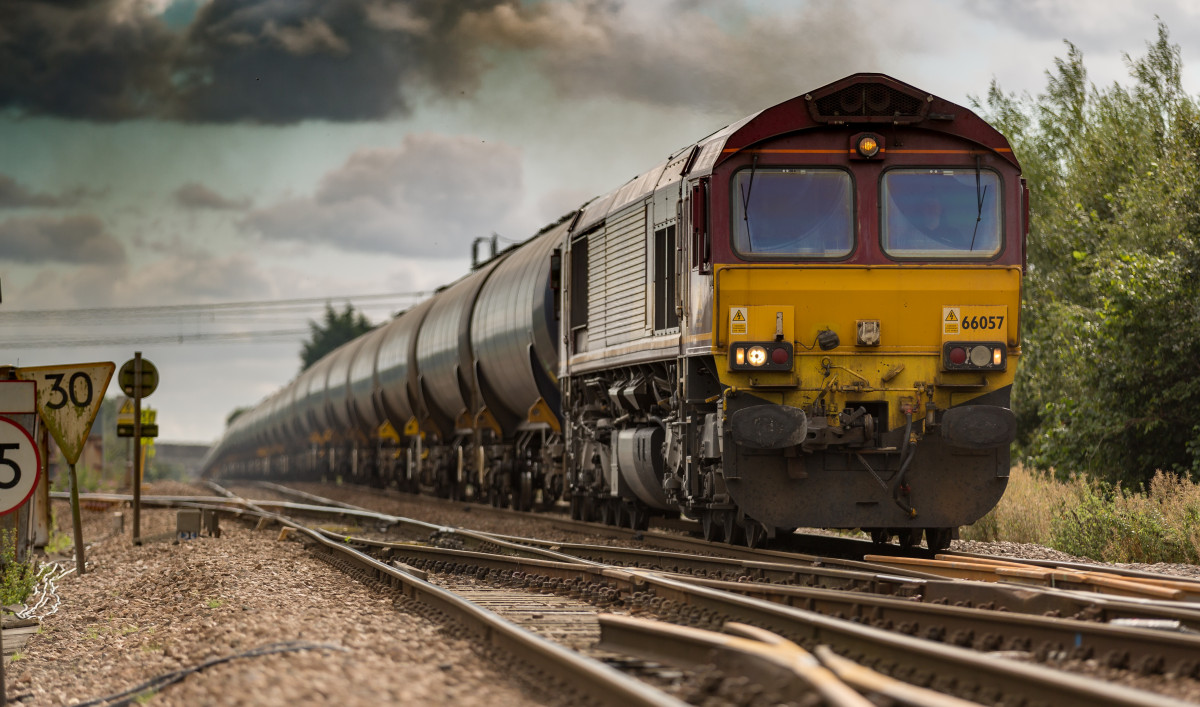
Rail Freight
Rail freight is the transportation of goods and cargo by trains over a rail network. It’s a cost-effective, reliable, and environmentally friendly method for moving large quantities of goods over long distances. Rail freight is commonly used for bulk commodities like coal, minerals, agricultural products, chemicals, and manufactured goods. It plays a crucial role in national and international supply chains, often linking ports with inland distribution centers. Compared to road transport, rail freight offers higher load capacity and lower emissions but is less flexible in terms of routes and last-mile delivery.
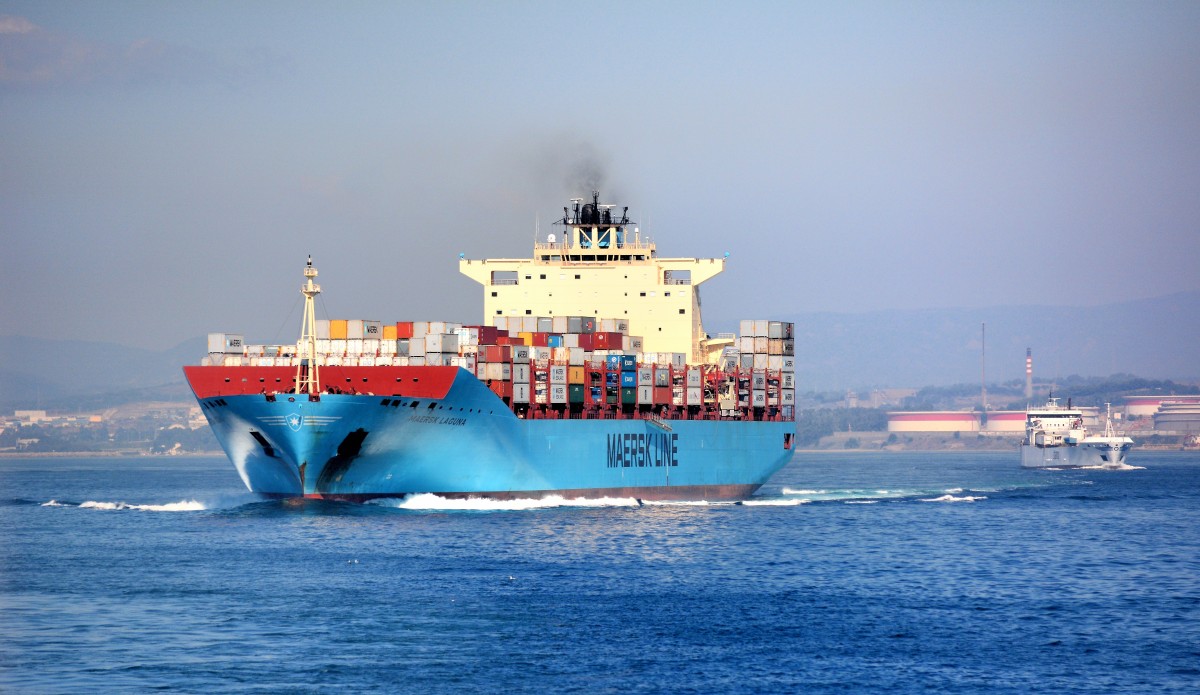
Ocean Freight
Ocean freight is the transportation of goods by cargo ships across seas and oceans. It is the most common method for international trade, especially for large, heavy, or bulk shipments such as oil, grain, vehicles, and manufactured goods. Ocean freight is cost-effective for long-distance shipping and offers high capacity, but it is slower compared to air freight. It involves key processes like containerization, port handling, and customs clearance. While it has a lower carbon footprint per ton than air freight, it can be affected by weather, port congestion, and geopolitical issues.

Roadway Cargo
Roadway cargo refers to the transportation of goods by trucks and other road vehicles. It is a flexible and widely used method for moving freight over short to medium distances, offering door-to-door service and easy access to remote areas. Road transport is essential for last-mile delivery and often works in combination with other modes like rail or sea. It handles a wide range of cargo types, from consumer goods to industrial materials. While it offers speed and convenience, road freight can be affected by traffic, weather, and regulations, and has a higher environmental impact compared to rail.
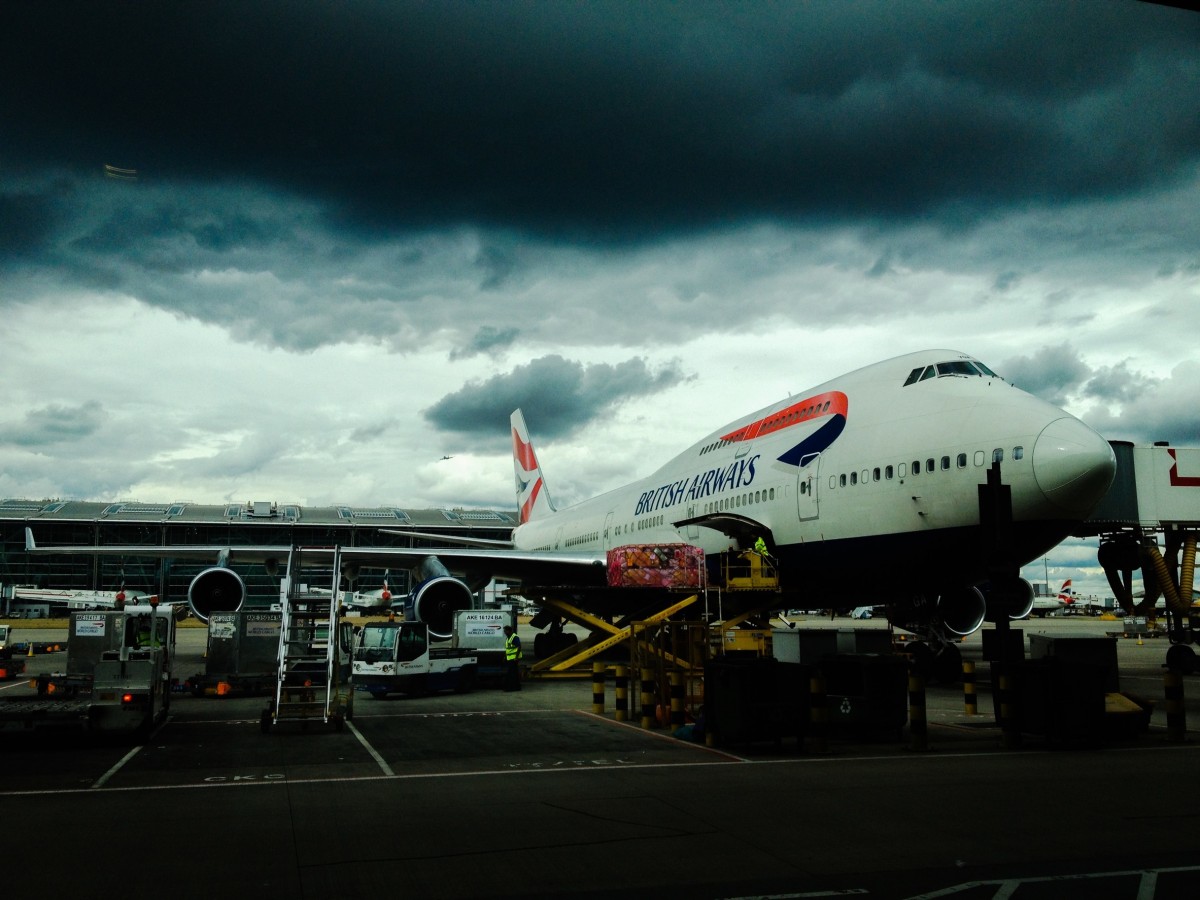
Aviation Freight
Aviation freight or air freight is the transportation of goods by aircraft. It is the fastest method of shipping, ideal for high-value, time-sensitive, or perishable items like electronics, pharmaceuticals, and express parcels. While more expensive than sea or rail freight, air freight offers speed, global reach, and reliability. It typically involves smaller shipments and requires careful handling, security checks, and customs procedures. Due to its high fuel consumption, it has a larger environmental impact per ton compared to other transport modes.